3. The 4 Styles of Marathon Preppers
We are officially into 16-week-out territory from most Fall Marathons (if you’re running a September marathon you’re already in the 12-15 week range and should be well into at least a base build phase in your training). Our local Wichita marathon, The Prairie Fire Race Series, falls on October 11th, so we’re building up our roster for runners seeking a training plan for this event. Monday (June 22nd) marked 16 weeks out.
To explain where I’m going to go with this post, you have to understand that I live in the Riverside neighborhood in Wichita, just a half mile from a park known for its wildlife exhibit that dates back nearly 100 years when the park also acted as Wichita’s original zoo. Today, native rescued and rehabilitated native wildlife are on display - my kids love it, especially Chapa the beaver and Rufus the bobcat.
I was training there the other day on the park’s 1/2 mile gravel loop, and after finishing, I walked around the wildlife exhibit. I was greeted by a turkey vulture, a gull, a night heron, and none other than Rufus the bobcat staring right back at me.
At the risk of being a little too cute… I must admit this idea worked its way into my head as I was finishing my workout… So here you go, the 4 Types of runners 16 weeks out from Race Day based on the feathered and furred residents of the Wichita Riverside Park Wildlife Exhibit.
These are all generalizations. It’s fun. I don’t take responsibility for you feeling targeted.
But which one are you?
Turkey Vulture - The turkey vulture is a scavenger, you can see them in the sky riding the thermal drifts throughout Kansas. Floating above roadkill and dead things that litter the prairie floor, they are opportunistic, not doing the work, but letting the work come to them. They also shit on their legs to stay cool (look it up, I’m not shitting you) - I’ll avoid that digression. These types of runners don’t bother writing down their plan, instead they let the training come to them. They join a run group, jump into their friends’ workouts, join a few local 5Ks for some tempo sessions. They’re going to run, but it will be by knitting together the scraps from whatever is available to them. Whatever advice they hear in an Instagram reel, a YouTube video, or an elite’s Strava feed, they likely will go out and try it that week. Admittedly, this is a great way to always be doing some sort of running, but any sort of periodization or progression to improve fitness is probably unlikely. Worse, following the wrong advice from runners who have been intentionally building fitness could quickly leave them injured. It’s like eating roadkill a little too ripe to stomach, and might leave them shitting their own legs (metaphorically of course - you knew I had to work it in).

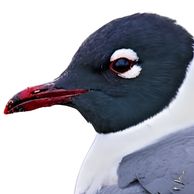
The Gull - Gulls are not just seaside birds, they live inland as well, inhabiting our many lakes and waterways and always letting you know that they are there. I once had two gulls who spent an entire day squawking outside my classroom window — miles away from any waterway —while I tried to teach the finer points of Steinbeck to 16 years olds over their cacophony. There’s no such thing as a sneaky gull. They’re always yapping and it’s unclear (at least to me) what they’re yapping about. But what would the beach be without these flying seabirds? Almost too quiet, alarmingly so. These types of runners have a plan that is actively forming in their heads at all times and let me assure you, they will need to externally process it in order to validate. They will tell you what they will progress their peak mileage to, what their longest long run will be, how long of a base build they’ll do, their style of lactate work, their personal opinions on Zone 2, their strength training and cross training approach, all of it described in painstakingly precise detail to whomever will listen. Admittedly, I enjoy these conversations, but talking and doing are different things. They often are getting so much satisfaction out of discussing their training that they fool themselves into believing they are actually doing the training.
"Yeah, I got like, 5 weeks of morning 5K repeats and 1K repeats in the morning, have you read Marius Bakken?" The Night Heron - If you add the modifier “Night” to anything, doesn’t it immediately sound so much cooler? A heron is alright, but a Night Heron sounds like it has some brand identity behind it. However, it’s still just a shorebird that stands around watching the water for fish to come by. Impressively, when a snack does arrive, it is an expert at picking it out in the murky water,plunging its head in from above, snagging its prey in its knife-like beak. It looks impressive for a flash, then it just goes back to standing and waiting for the next chance. These types of runners are watching a lot of content, and in the running world, there is A LOT of content. A lot of quality too! Experts give out general advice that likely can get many runners better results over a 16-20 week build. These Night Herons quickly pick out whatever new training, gear, or nutrition trend matches their self image - double threshold days, lactate testing, hybrid athlete training, high carb fueling, sodium bi-carb, supershoes, 80-20 method, etc. They might even document their use of these principles in their own content and are probably seeing some good results for a training block. The problem is, expert advice on social media is intentionally general and not typically sustainable for the average athlete (physiologically, practically, or financially), and while the advice is effective for one training block, it perhaps doesn’t work as a long term training approach. In the end these runners need to learn how to proactively plan for sustainable fitness growth over 3-5 race blocks, not just one. Does this current training block lead to consistency that will serve them in 2 years? Or will they be left waiting for the next idea to jumpstart their training again?

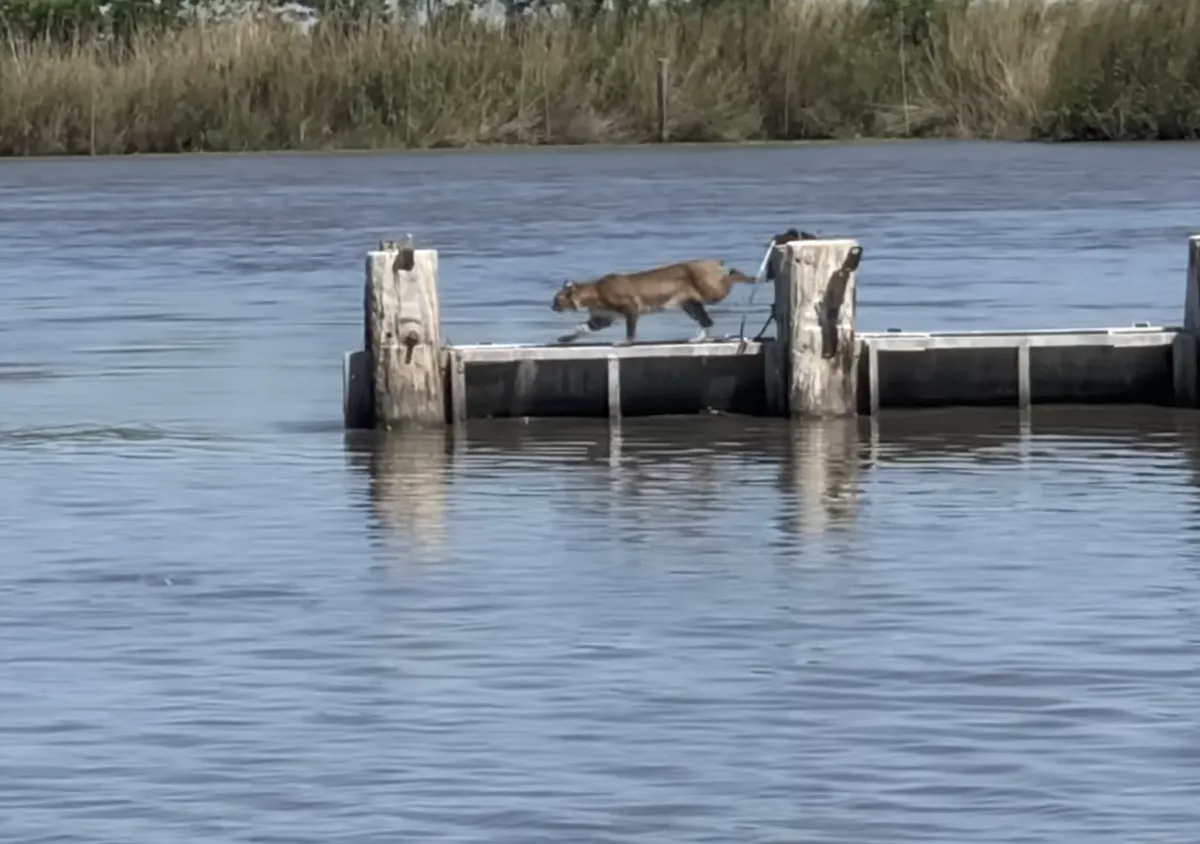
"You tried bi-carb yet? I slam it before every interval session." The Bobcat - If you ever get to watch Rufus, Wichita’s beloved bobcat, during feeding time, you will understand why he’s the best for last on this list. I’ve watched him jump 10 feet in the air to snag a bit of meat dangled high to keep him entertained. Cats are active and intentional hunters. They make no noise. They stalk their prey and put themselves in the best position to use their unique gift - unimaginable athleticism. They still know how to rest, expending their energy only when it’s efficient and valuable to them, while also knowing the bliss of a cat nap for the remainder of the day. They’re also crepuscular — active at Dusk and Dawn (sounds like a lot of runners I know in the Kansas summer). These types of runners are intentional with their planning. They know how to work in the opportunities that will naturally arise from being a part of a running community, but these opportunities fit inside a framework that’s a part of a training strategy. They don’t feel the need to externally process their plan — it’s already set. External validation isn’t as important because they are focused on execution supported by their own personal data. Their plan puts them in a position to attack every quality session on the schedule with precision because they know they have the right balance of progressive load and intentional recovery, and because of that, there is no shame in a cat nap. If they are hooked by a new training trend, it’s gradually implemented rather than haphazardly attempted. When its go time they execute, if they fail they’ll do what it takes to be in a better position next time. It’s not about being badass, but it’s easy to see that they have a competitive edge on everyone — even if they’re not jumping 10 feet to snag a bird out of the air.

Which animal are you?
I’ve been a little bit of each throughout my running life, but we work hard to train more bobcats. It starts with a quality plan. A plan created by a coach leads to more intentional training adapted to your specific skills. A coach filters through the noise to guide you to the most efficient use of your time. Your running goal doesn’t even have to be to “get faster”. As I said last week, outcomes and chasing “legendary” are often overrated. Training without injury, training with consistency, adding more variety to your running — all are good goals that a coach can guide you towards.
If you want some help being a little more like Rufus the Bobcat, check out our offers on the Home Page of our website (if you’re local to Wichita, we’re offering $500 for a 14 week training plan for anyone registered for Prairie Fire!). Book a call and we’ll help identify your Turkey Vulture habits and Night Heron tendencies in your training approach, and get you headed in the right direction for Fall!